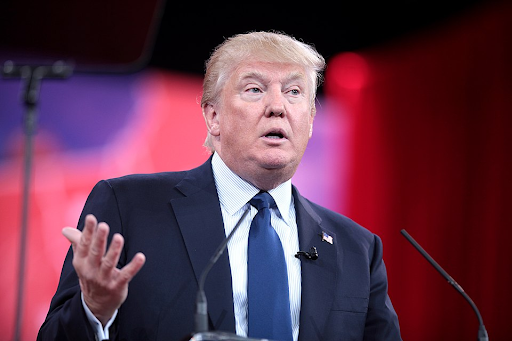
No American president since Franklin Roosevelt has demanded unconditional surrender from an adversary. President Donald Trump has now placed himself in that historical company, declaring that the United States will accept nothing less from Iran as the joint US-Israeli offensive enters its seventh day. The declaration represents one of the most aggressive statements of American foreign policy in the modern era.
The military operations backing that declaration have been extraordinary. US B-2 stealth bombers have struck Iran’s buried ballistic missile infrastructure with dozens of 2,000-pound penetrating munitions. A large Iranian naval vessel used as a drone launch platform has been hit and possibly destroyed. The defense secretary has confirmed that a surge in American firepower is imminent. Israel has issued mass evacuation orders in Lebanon and struck Hezbollah’s command structure across Beirut with sustained aerial bombardment.
Iran has responded with defiance and continued military action. The Revolutionary Guards have launched waves of missiles and drones at US military bases across four Gulf states. Additional missiles have been directed at Israel. Hezbollah has continued its campaign in Lebanon, firing rockets and wounding Israeli soldiers near the border. Iranian state television has broadcast scenes of national mourning and resistance. The leadership council has convened to plan for the post-Khamenei era.
The humanitarian consequences have been severe. Over 1,230 Iranians have been killed. Six American troops have died. More than 200 people have died in Lebanon. An airstrike on a girls’ school killed more than 100 students. More than one million Lebanese have been displaced. Iran’s internet has been cut to approximately 1% of normal capacity. The UN human rights chief has called the situation an emergency requiring immediate steps toward de-escalation.
The historical resonance of Trump’s language is not lost on observers. When Roosevelt demanded unconditional surrender from Nazi Germany and Imperial Japan, the context was a war of survival against regimes that had launched global aggression. Trump’s demand is directed at a regional power that, whatever its faults, has not launched a comparable campaign of conquest. Whether the American public and the international community will ultimately accept the analogy is a question that will shape the conflict’s political legacy long after the bombs stop falling.
Trump Pushes Hardest Line in Modern US History: Unconditional Surrender or War