
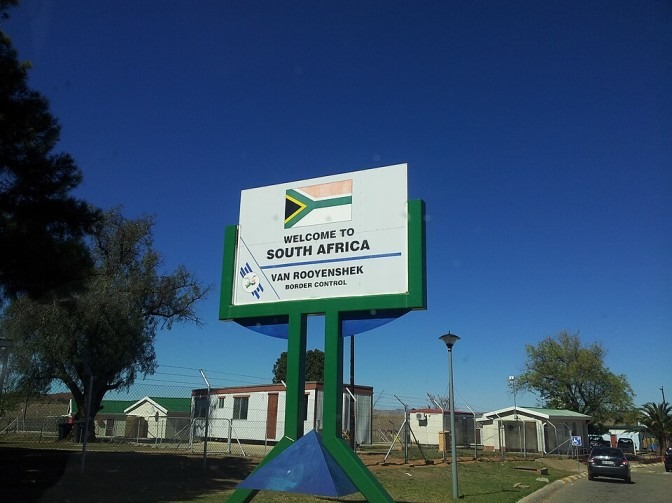
Starting June 1, 2026, South Africa will implement a digital customs declaration system that mandates all travelers entering or exiting the country to complete an online declaration. This new regulation also extends to those bringing foreign-registered vehicles into South Africa, who must declare their vehicles at border points and secure a Temporary Import Permit (TIP), even if they are from neighboring Southern African Customs Union (SACU) member states.
The South African Revenue Service (SARS) has introduced the Traveller Declaration System as part of its effort to modernize its border management. The system is intended to enhance compliance with customs regulations and streamline the processes associated with travel and trade. To facilitate this, foreign vehicles can be used legally in South Africa for up to six months under a Temporary Import Permit, which allows for multiple entries and exits within that duration without requiring a new permit each time.
Travelers can submit their online customs declarations and obtain a Temporary Import Permit at no cost through the SARS website or mobile app prior to reaching the border. Upon completion, they will receive a reference number to present when entering or leaving South Africa. For those who need assistance, digital kiosks and support services will be available at border posts to aid travelers who have not completed the declaration process in advance.
Despite moving towards digital declarations, South African authorities will continue conducting necessary customs inspections and border checks. This system is aimed at reducing paperwork, boosting efficiency, and strengthening border security. Additionally, it seeks to enhance revenue collection while facilitating easier compliance for travelers who adhere to the regulations.
These changes are part of South Africa’s broader initiative to modernize its customs administration and improve the management of cross-border movements of people, goods, and vehicles. By embracing digital solutions, the country aims to make its borders more secure and its customs processes more efficient for all travelers and traders.